For decades, Africa has been portrayed as a continent in need: dependent on foreign aid, international loans, and external intervention. While these have provided short-term relief, they have also created a dangerous cycle of dependency, stagnation, and external control. As Thomas Sankara always said “He who feeds you, controls you”
If Africa is to truly take its place as a global force (Which it is), it must shift from dependence to self-reliance. The future of the continent lies in its ability to harness its own resources, build its industries, and develop systems that serve its people. This is no longer optional, it is urgent.
According to reports, African countries are projected to pay approximately $163 billion in loan interest in 2024 alone. Much of this debt is owed to institutions like the IMF, as well as to bilateral partners such as China, the World Bank, and private lenders.
In some cases, repayments come with strict and unfavorable conditions, sometimes even in non-monetary forms. Unfortunately, the situation is worsened by poor governance. Many leaders take on these loans, only to mismanage or divert funds, leaving future generations burdened with debt.
The same pattern is often seen with foreign aid, accepted under questionable conditions and, in some cases, misused.
Foreign aid is often presented as a tool for development. In reality, it can undermine long-term growth: It Weakens Innovation, It Restricts Economic Independence for example, under policies like the African Growth and Opportunity Act (AGOA), African countries are expected to maintain trade conditions favorable to external economies; sometimes at the expense of their own industries. It Promotes a Dependency Mindset
While Africa continues to depend on external support, many of these same regions are tightening their doors.
Across Europe, North America, and parts of Asia and the Middle East, immigration policies have become increasingly restrictive:
- Countries like France, the UK, and Canada have reduced visa access and increased rejection rates
- Nations such as Italy, Spain, and Greece have strengthened border controls and deportation measures
- The United States and others have implemented stricter immigration and travel policies affecting African nations
- In parts of the Middle East and Asia, African migrants face increasing restrictions and, in some cases, discrimination
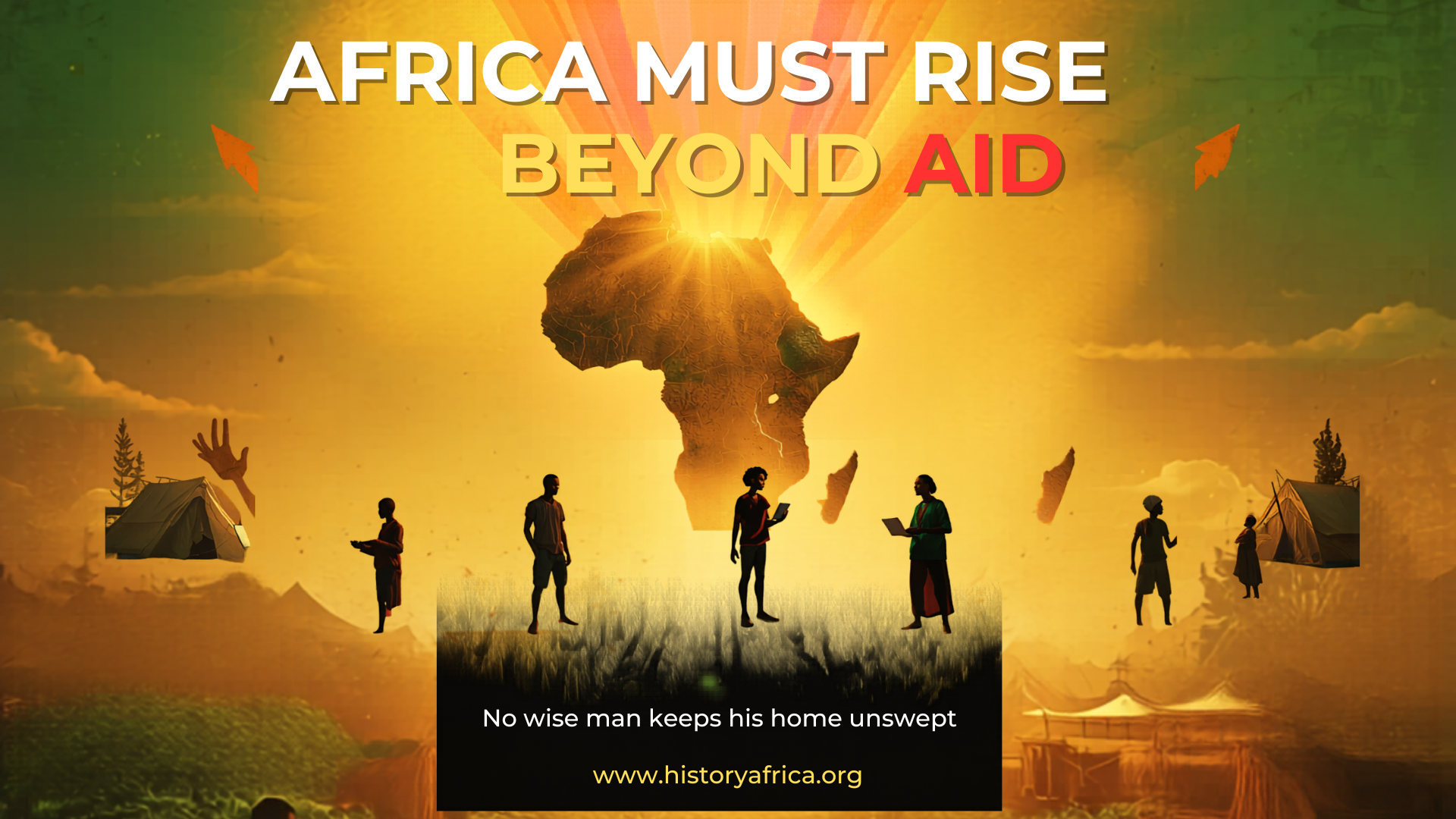
The message is becoming clear: the world is closing in, and Africa must look within.
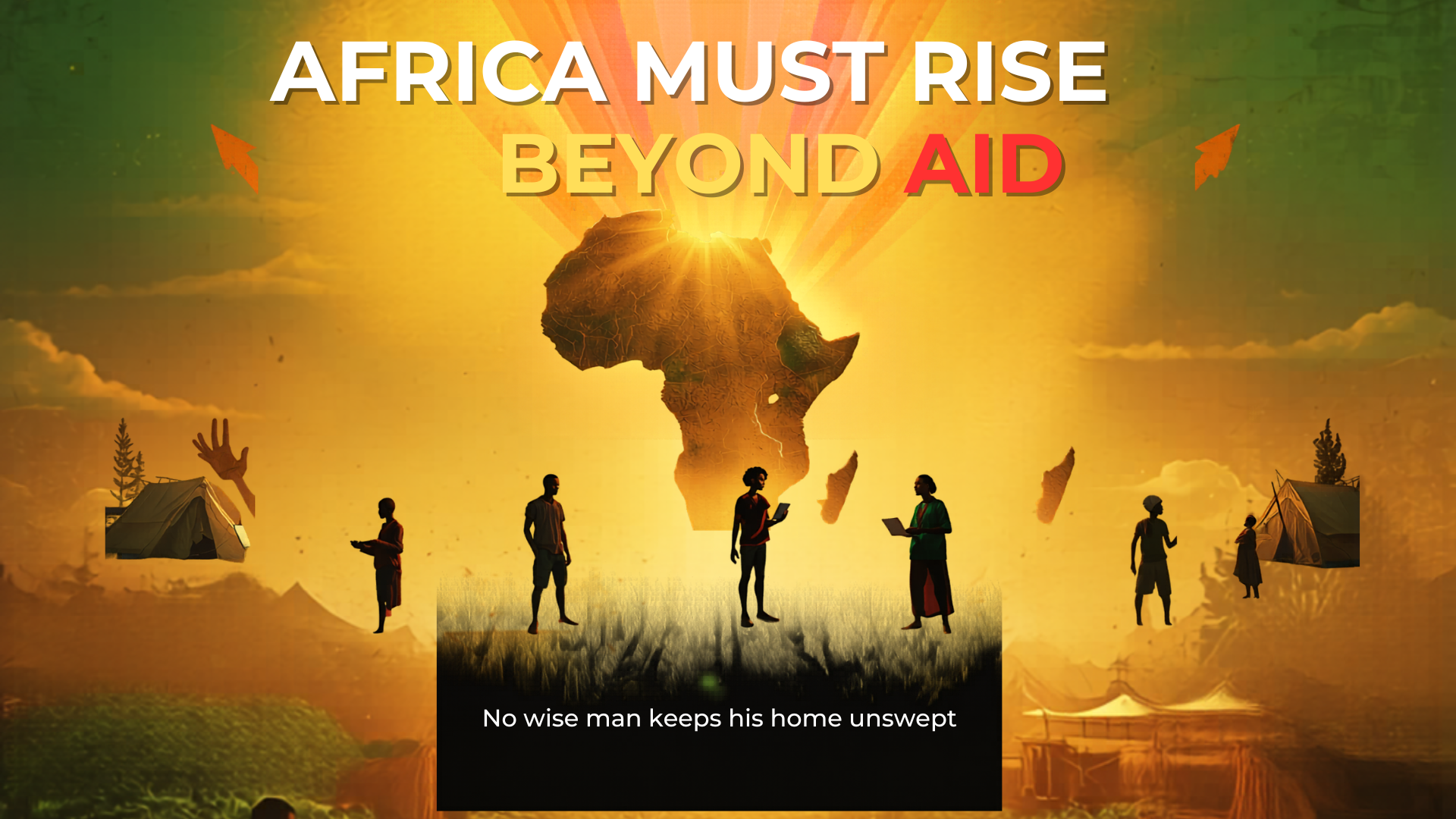
There is an old saying: “No wise man keeps his home unkept.”
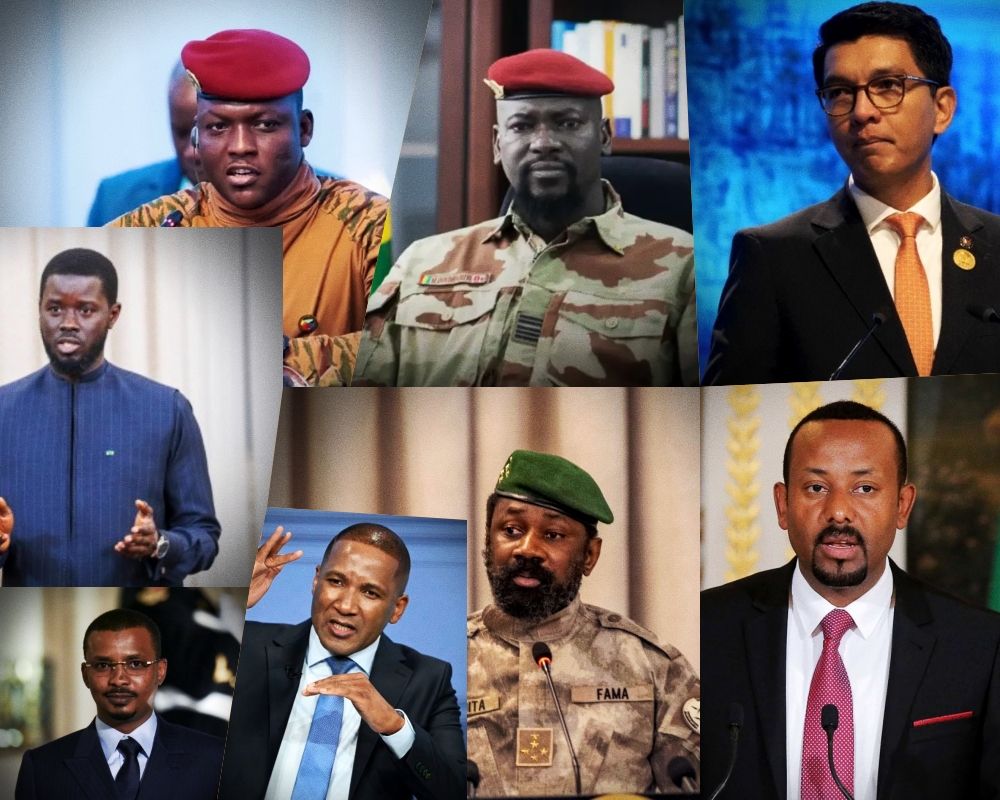
African leaders must reflect deeply on their decisions. The habit of neglecting local systems while depending on foreign alternatives is unsustainable. The same countries many leaders turn to for healthcare, investment, and leisure are steadily tightening access.
Sooner or later, every leader will have to rely on the systems they helped build or failed to build at home.
Africa does not lack resources. It does not lack talent. What it needs is leadership that believes in its potential and is willing to act on it.
The era of dependence must give way to an era of self-determination.
Africa does not need handouts; it needs opportunity, vision, and bold leadership.
Africa must rise.
Because in the end:
"No wise man keeps his home unswept"