Leadership is the backbone of development. It determines whether a nation progresses or stagnates. A country is not merely a geographical space; it is a complex system of laws, institutions, and people. Leadership is the force that transforms a nation’s potential its human resources, natural wealth, and land into tangible outcomes such as infrastructure, security, education, and prosperity. Without effective leadership, potential remains untapped, mismanaged, and eventually wasted.
This brings us to an essential question: What is leadership?
It is a question worth deep reflection. At its core, leadership is the ability to influence, guide, and direct people toward a common goal. It is not defined by titles or positions, but by the capacity to inspire, make decisions, take responsibility, and earn genuine followership.
African history provides powerful examples of such leadership. In ancient times, leadership was deeply tied to sacrifice and responsibility. Kings and queens bore the duty of protecting their people even at the cost of their own lives. Figures like Queen Amina, Queen Nzinga, Sundiata Keita, Samori Ture, and Shaka Zulu embodied this ideal. Leadership was not a privilege, it was a burden of service. This explains why, in some traditions, families mourned when leadership roles were assigned, knowing the sacrifices required to protect and serve the people.
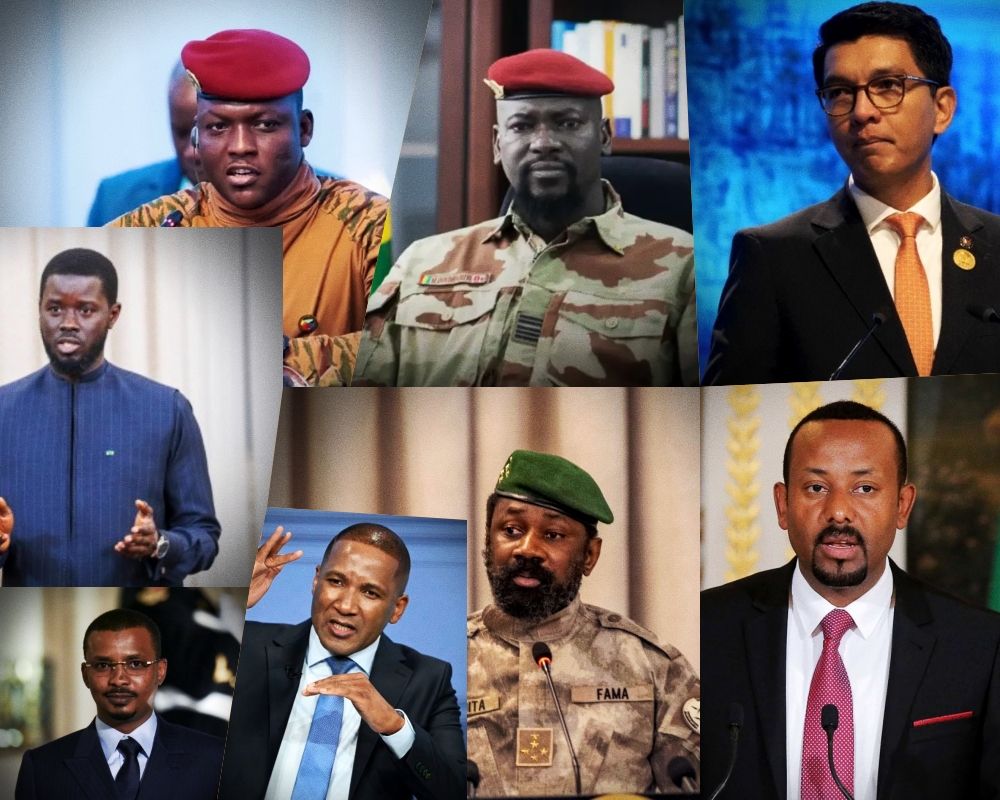
Unfortunately, African history also reveals a recurring pattern: leaders who make genuine sacrifices for their nations are often unrecognized until it is too late, sometimes only after their death. It must also be said that many modern African leaders have fallen short, becoming shadows of true leadership or instruments of external influence tied to colonial legacies and foreign interests. Those who dare to challenge the status quo are often silenced, removed, or portrayed as enemies of their own nations.
There is also a growing concern about public awareness. Many Africans remain disconnected from the realities shaping the continent, assuming that things will improve without intentional action. Little attention is paid to the kind of leaders placed in positions of power, yet there is constant surprise when systems fail. The truth is simple: when leadership is compromised, outcomes will reflect it. If poor leadership is tolerated, its consequences will inevitably follow.
Despite these challenges, it is important to acknowledge and honor those who have stood for true leadership and contributed immensely to Africa’s progress.
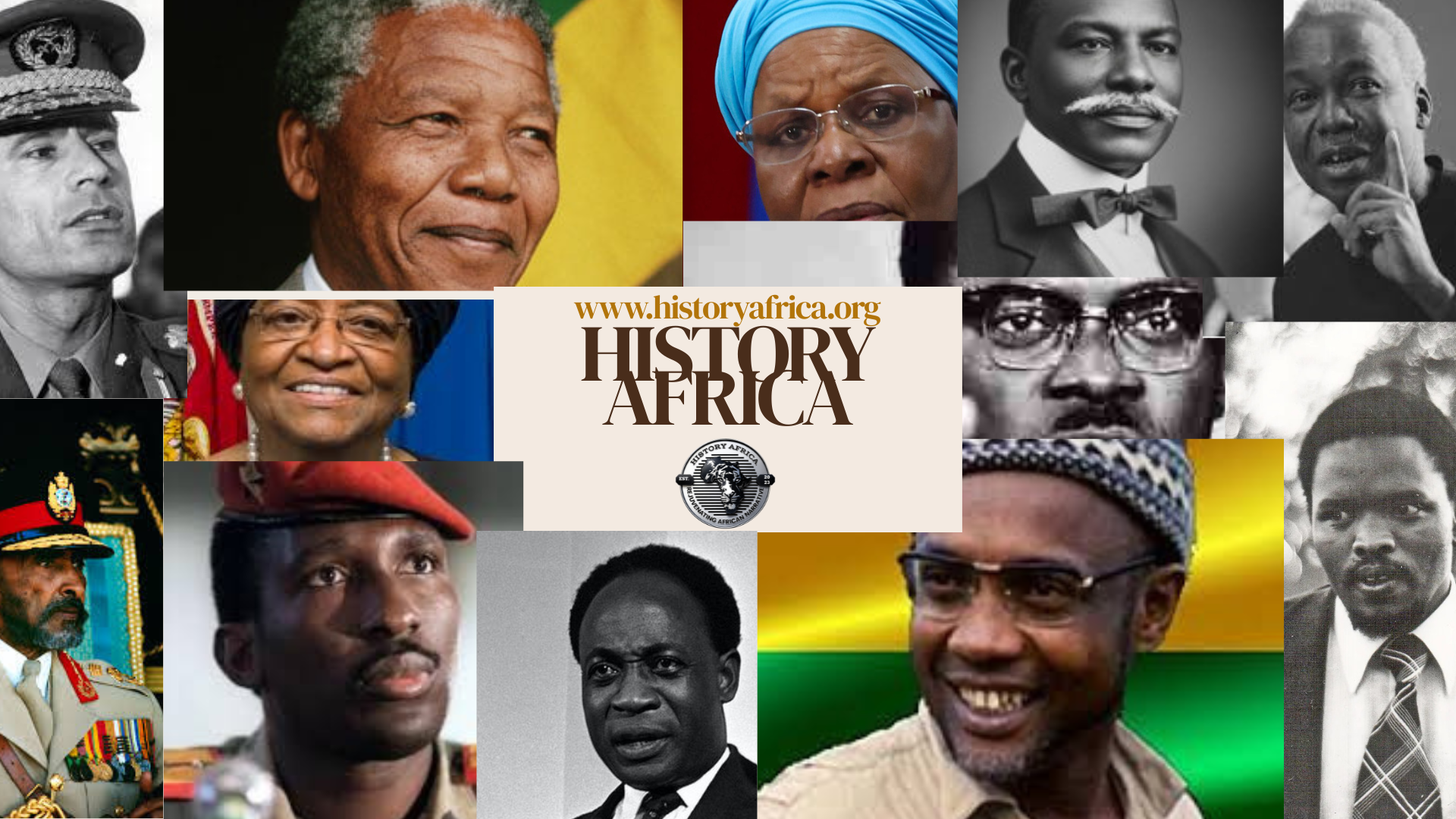
We remember Nelson Mandela, who led the struggle against apartheid, endured 27 years of imprisonment, and chose reconciliation over revenge, uniting a divided South Africa.
We honor Kwame Nkrumah, who led Ghana to independence in 1957 and championed Pan-African unity and development.
We recognize Julius Nyerere, who guided Tanzania to independence and promoted self-reliance, education, and national unity through Ujamaa.
We celebrate Thomas Sankara, who, even within a military system, advanced anti-corruption, economic independence, women’s rights, and environmental consciousness.
We remember Patrice Lumumba, a martyr of African liberation who fought for true independence from foreign control.
We acknowledge Haile Selassie, who modernized Ethiopia, resisted foreign invasion, and contributed to the formation of the Organization of African Unity.
We honor Nnamdi Azikiwe, a key figure in Nigeria’s independence who promoted unity across diverse ethnic groups.
We celebrate Ellen Johnson Sirleaf, Africa’s first elected female president, who rebuilt Liberia and championed peace and women’s empowerment.
We recognize Muammar Gaddafi for his influence in continental politics and investments in infrastructure and social programs.
And we note Paul Kagame, who led Rwanda’s recovery after the 1994 genocide and continues to drive development, unity, and technological advancement.
These leaders have shaped Africa’s political, economic, and social landscape. Some are celebrated for liberation and unity, others for reform and development. Their legacies whether widely praised or debated remain deeply embedded in the history of their nations and continue to influence Africa today.
To the emerging generation of leaders, three truths must always be remembered:
History never forgets. History never forgives. And one day, everything will become history.