Africa has one of the richest and oldest histories in the world. It is often called the “cradle of mankind” because many scientists believe that the earliest humans originated there before spreading to other parts of the world. African history covers thousands of years of human development, powerful kingdoms, trade, religion, colonialism, and independence.
The earliest African societies were made up of hunters and gatherers who lived near rivers, forests, and fertile lands. Over time, people began to farm, raise animals, and form permanent settlements. This led to the growth of villages, towns, and eventually large kingdoms and empires. Africa’s natural resources, such as gold, salt, ivory, and fertile land, helped many societies become wealthy and powerful.
One of the earliest and most famous civilizations in Africa was Ancient Egypt, located along the Nile River. Ancient Egypt became known for its pyramids, writing system, medicine, architecture, and knowledge of mathematics. Other early African civilizations included Nubia and Kush in present-day Sudan, Aksum in Ethiopia, and Carthage in North Africa. These societies traded with Europe, the Middle East, and Asia, showing that Africa was connected to the rest of the world long before modern times.
Many great kingdoms and empires later developed across Africa. In West Africa, the Ghana Empire, Mali Empire, and Songhai Empire became famous for their wealth and control of trade routes. The Mali Empire became especially famous because of its ruler, Mansa Musa, who was known as one of the richest people in history. In East Africa, the Kingdom of Aksum became powerful through trade across the Red Sea and Indian Ocean. In Southern Africa, Great Zimbabwe became known for its stone buildings and trading activities. The Kingdom of Benin, the Zulu Kingdom, and the Kingdom of Kongo were also important African states.
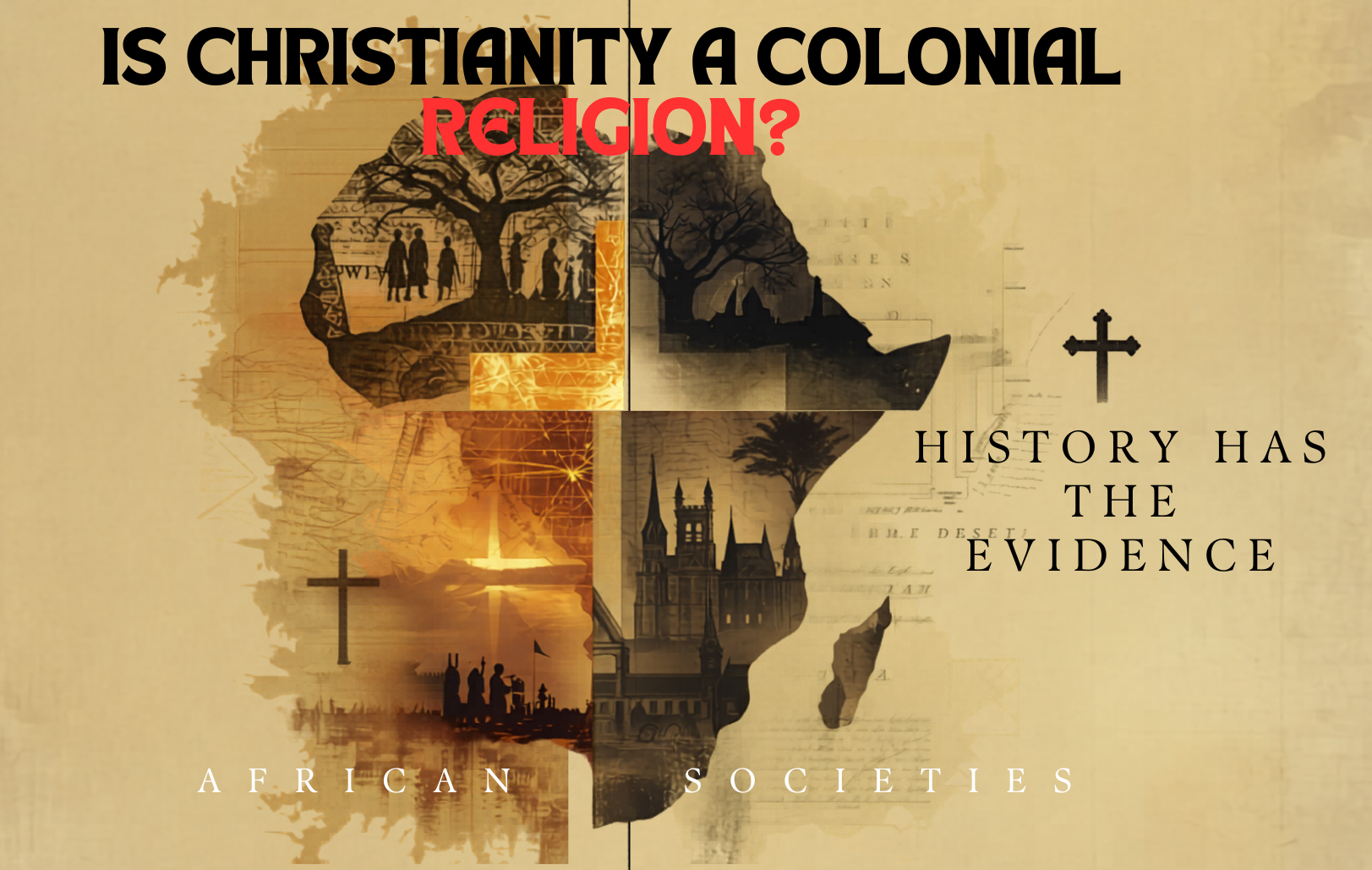
Trade played a major role in African history. African traders exchanged gold, salt, cloth, spices, ivory, and other goods with merchants from Europe, Asia, and the Middle East. Trade routes across the Sahara Desert connected West Africa to North Africa and beyond. Coastal cities along East Africa became important trading centers because they linked Africa to India, Arabia, and China. Through trade, ideas, religions, and cultures also spread across the continent. Islam spread widely in North and West Africa, while Christianity became important in places like Ethiopia and Egypt.
African history was deeply affected by slavery and colonialism. Millions of Africans were taken from their homes during the transatlantic slave trade and forced to work in the Americas. Later, during the late 1800s, European countries competed to take control of African lands in a period known as the “Scramble for Africa.” By 1914, almost all of Africa had been divided among European powers such as Britain, France, Portugal, Germany, and Belgium. Colonial rule changed African societies by taking resources, forcing labor, changing borders, and introducing foreign systems of government and education.
In the 20th century, many African countries began to fight for independence. Leaders such as Kwame Nkrumah, Jomo Kenyatta, and Julius Nyerere played important roles in the struggle against colonial rule. By the 1960s and 1970s, most African countries had gained independence and became self-governing nations. However, many still faced challenges such as poverty, political instability, and the effects of colonialism.
Today, Africa is made up of 54 countries with many different cultures, languages, and traditions. African history is important because it shows the achievements, strength, and contributions of African people to the world. From ancient civilizations to modern nations, Africa has played a major role in human history and continues to influence the world today.